

A traditional fire practice

Agnihotra.
A moment of renewal.

An ancient Vedic fire ritual traditionally practised at sunrise and sunset to purify the environment and bring calm and clarity to the mind.

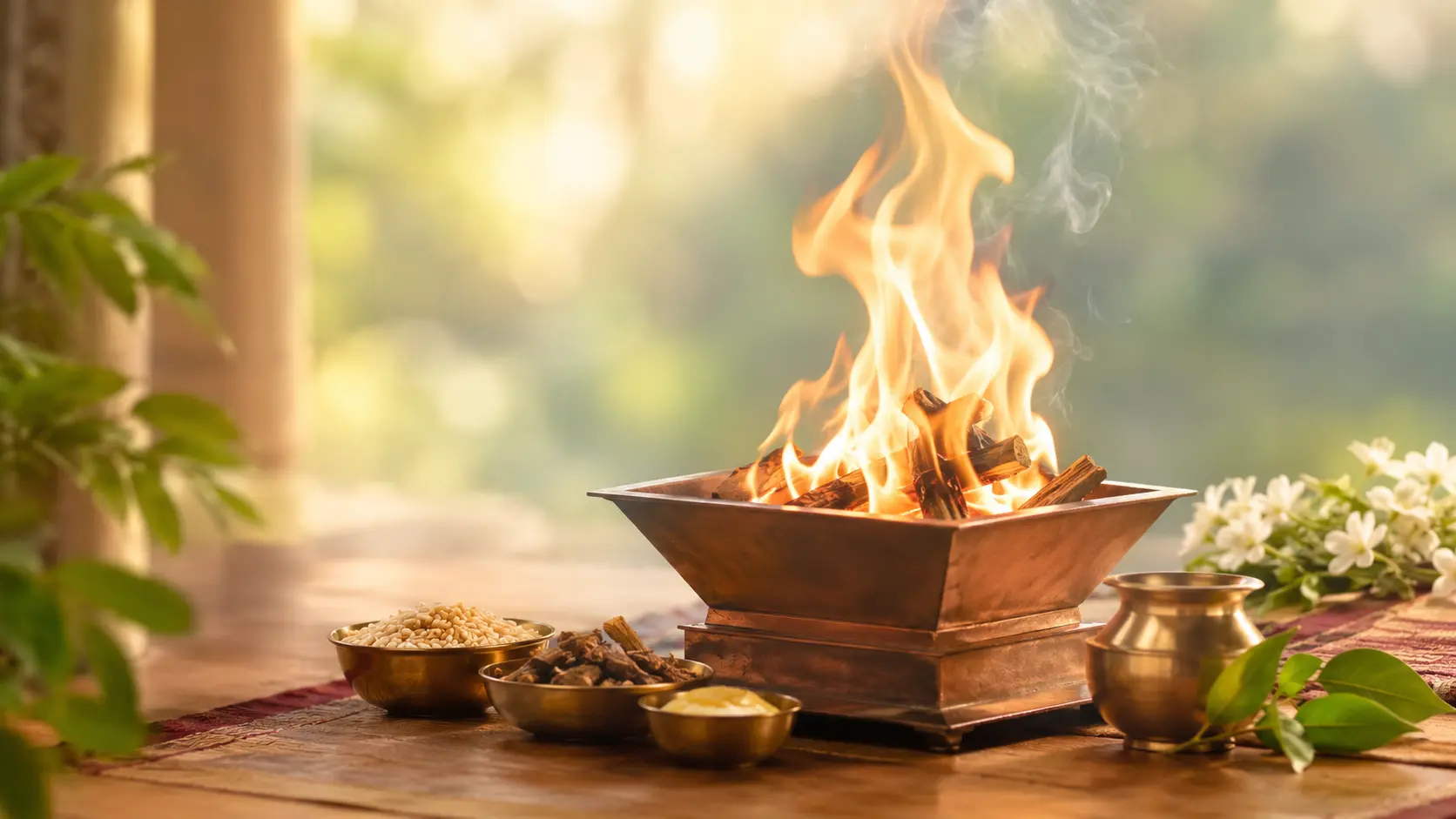
Agnihotra fire in a copper pyramid with traditional offerings

The practice

A simple ritual with a long tradition.

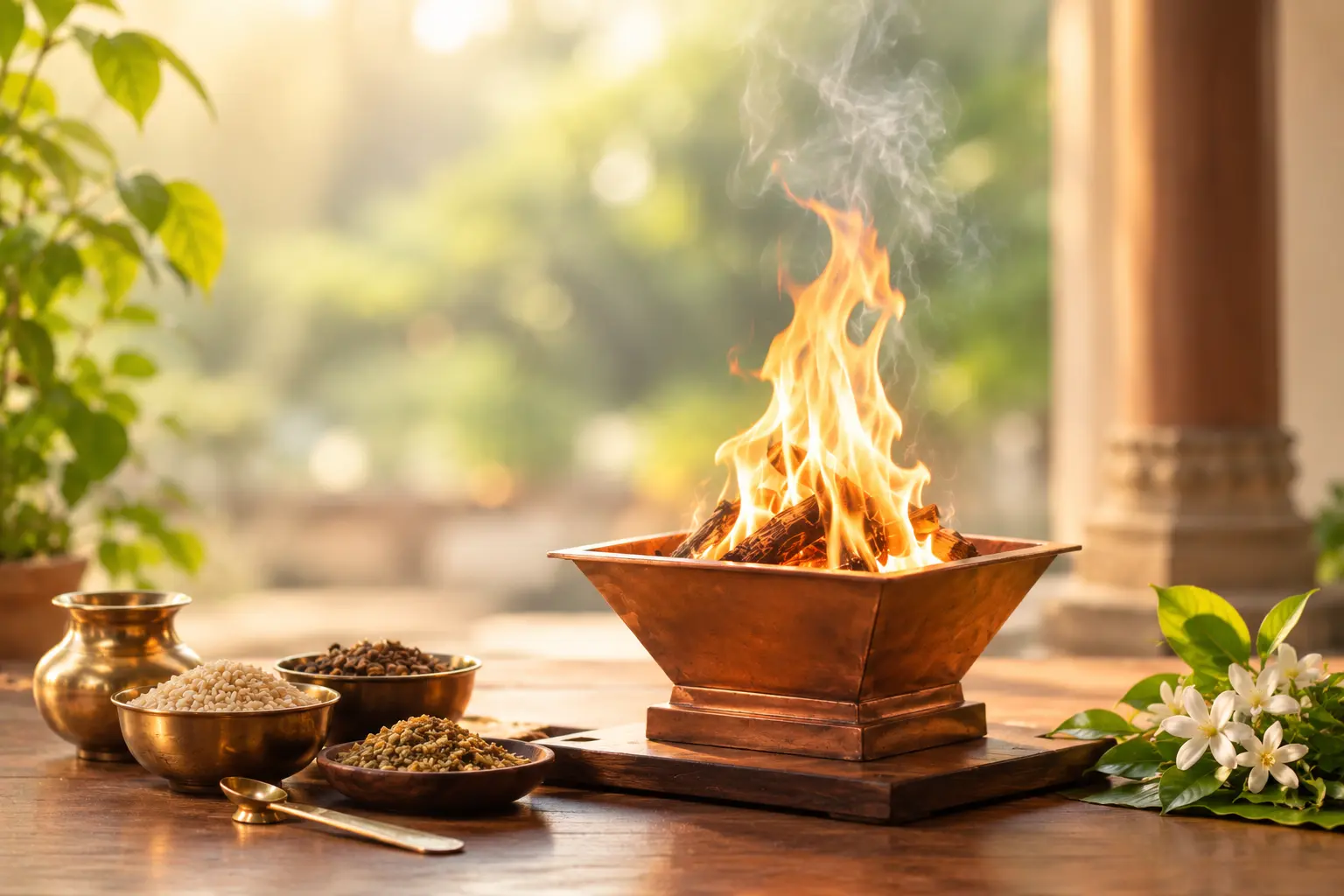
Traditional Agnihotra fire with rice, ghee and other offerings

Agnihotra centres on a small, carefully tended fire in a copper vessel, with offerings made at the precise moments of sunrise and sunset. The practice uses simple natural materials and takes only a few minutes.

Dr. C.P. Mathew used to perform Agnihotra as part of his personal practice. Our centre continues to share guidance for people interested in learning the ritual responsibly.

Traditionally associated benefits

For the environment, mind and daily wellbeing.

01

Environmental benefits

  • Air purification: Traditionally used to support a cleaner atmosphere, reduce airborne impurities and create surroundings associated with beneficial qualities.
  • Surrounding energy: Practitioners associate the ritual with a more balanced and harmonious environment, including around sources of radiation.
  • Water and soil: Agnihotra ash, or Bhasma, is traditionally used in gardens as a natural soil input and in environmental purification practices.
02

Mental and physical wellbeing

  • Stress relief: The brief, focused ritual may help calm the nervous system and ease everyday stress and mental fatigue.
  • Emotional balance: Regular practice can create a quiet pause that supports inner peace and concentration.
  • Children and families: Practitioners believe its calm atmosphere can have a positive influence on children and family life.
  • General wellbeing: Practitioners use Agnihotra as a supportive routine for healthier habits, including alongside de-addiction support.

Video guide

See Agnihotra in practice.

Agnihotra practice

This short introduction shows the ritual and its place in a daily routine.

Available from our centre

Agnihotra kits and cow-dung cakes.

We sell complete Agnihotra kits for online and offline purchase. Cow-dung cakes used for the Homa are also prepared and supplied by the centre. Contact our team for current kit contents, guidance, availability and delivery options.

Enquire About the Kit

Frequently asked questions

Practical guidance for getting started.

Find clear answers about the daily practice, participation, timing and materials used in Agnihotra.

1. What are the benefits of performing Agnihotra?

Agnihotra is a traditional supportive practice that may promote calmness, mental harmony and a positive environment.

  • Supports emotional wellbeing and stress management.
  • May complement recovery and medical care.
  • Encourages spiritual balance and healthy routines.
  • Promotes family, community and environmental harmony.
2. Has Agnihotra been researched by an authentic university?

We are not citing a specific university study for the claims on this page. A widely referenced literary source is Agnihotra: Origin, Practice and Applications by Horst and Birgitt Heigl, a German couple who researched and practised Agnihotra over several decades.

3. Who can perform it? Is there an age restriction?

Any adult who can responsibly handle a small fire may perform Agnihotra. Children may participate under close adult guidance and supervision.

4. How much time should I invest each day?

The essential offering at the precise sunrise or sunset moment can take less than one minute—often around 20 seconds. Many people spend two to four minutes completing the full practice.

5. What does the ritual cost per day?

The everyday consumable cost can be less than ₹5. A typical practice uses two grains of rice, approximately half to one teaspoon of cow ghee, one match or lighter, a small piece of camphor, and a small piece of cow-dung cake. Cow-dung cake is traditionally preferred.

Enquire About Kit ↗